The True Cost of Bolt-On AI Testing
Discover why bolt-on AI tools amplify QA technical debt. Learn how to eliminate maintenance and transform your QA team into strategic quality partners.

Many QA leaders are grappling with a stark reality: their teams spend 60 to 80% of their time fixing broken tests instead of expanding coverage. This maintenance burden isn't just an inconvenience; it's a quiet drain on resources that stifles innovation and widens the gap between development and quality assurance. As engineering velocity accelerates thanks to AI coding agents, QA is falling further behind, trapped in a cycle of repair.
This blog post explores the hidden costs of "bolt-on" AI testing solutions and why they often amplify technical debt instead of eliminating it. We'll examine how a fundamental architectural shift away from optimizing maintenance and toward eliminating it, can transform QA from a cost center into a strategic business partner.
The Maintenance Iceberg the Captains of QA are Hitting
The promise of AI in testing was to free QA teams from the endless cycle of script maintenance. However, many "AI-powered" tools simply offer a bolt-on solution: faster ways to generate traditional, selector-based tests. This approach seems efficient at first, but it doesn't solve the core problem. The tests are still fundamentally brittle and tied to fragile Document Object Model (DOM) structures.
When you automate the creation of inherently flawed test architectures, you are simply automating the creation of technical debt. As the application grows and the test suite expands, the maintenance workload scales right along with it. Teams find themselves practicing "testing archaeology," digging through layers of outdated, broken scripts to understand failures, rather than focusing on strategic quality initiatives. This isn't progress; it's just a faster path to the same bottleneck.
What Changes When Maintenance Drops to ~5%?
Imagine reclaiming 80% of your QA team's time. What could they achieve? Instead of being "script maintenance engineers," they could become true quality partners for the business. This shift allows them to focus on high-value activities that directly impact user experience and business outcomes:
- Exploring complex user journeys and edge cases that automated scripts often miss.
- Conducting performance and accessibility testing to ensure the application is robust and usable for everyone.
- Implementing comprehensive security testing to protect the business from critical vulnerabilities.
When maintenance is no longer the primary function of QA, the team can move from a reactive survival mode to a proactive quality mindset. They can finally focus on what quality truly means for your users and your brand.
Architectural Shifts That Eliminate, Not Optimize, Maintenance
True transformation in QA testing doesn't come from optimizing a broken process. It comes from eliminating the source of the problem. This requires a new architectural approach built on two key principles:
- Computer Vision and Contextual UI Understanding: Modern AI testing platforms should understand the user interface like a human does. By using computer vision and contextual awareness, tests can identify elements based on their function and appearance, not just their underlying code. This makes them resilient to layout changes, code refactors, and framework updates that would break traditional selector-based tests.
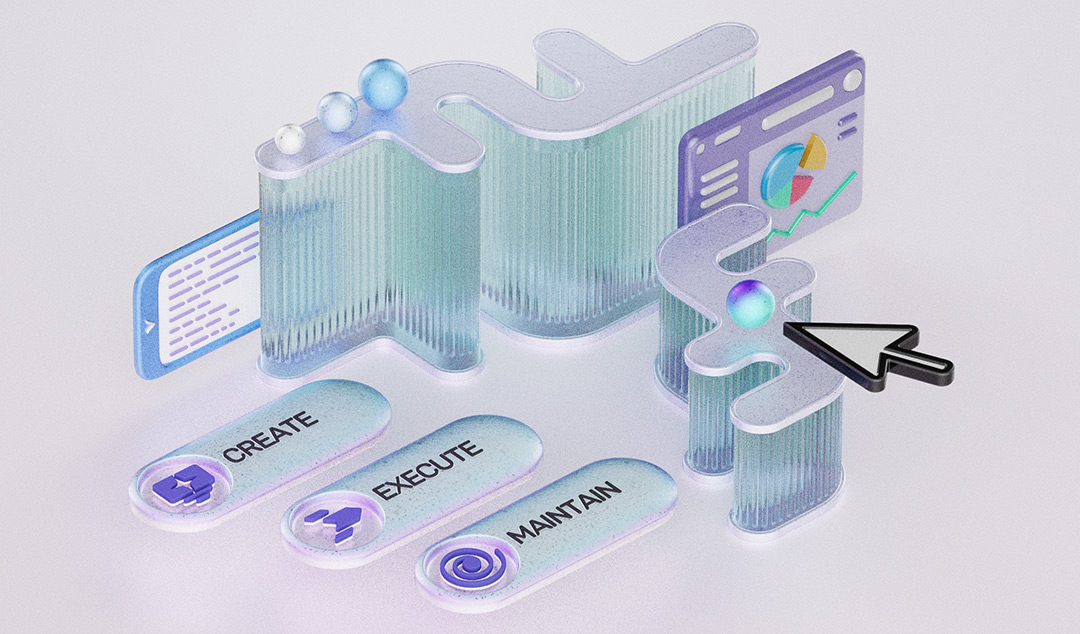
- Agentic, Built-On Platforms with Self-Healing: The future of testing lies with agentic platforms where AI is not a bolt-on feature but the core foundation. These systems use specialized AI agents that can autonomously create, execute, diagnose, and maintain tests. When the application UI changes, these platforms don't just flag a broken test; they automatically adapt and self-heal, ensuring the test suite remains robust with minimal human intervention.
Questions to Expose the True Maintenance Story
When evaluating an AI testing solution, it's crucial to look beyond the initial test creation speed. To uncover the true maintenance cost, ask vendors pointed questions during the proof-of-concept (POC) phase:
- "Show me what happens when you change the UI or refactor the underlying code. How does the test adapt?"
- "After a large regression suite fails, how much manual investigation is required to identify the root cause of each failure?"
- "How does the platform differentiate between a true bug and a test that broke due to a minor application change?"
The answers will reveal whether the platform is genuinely eliminating maintenance or just hiding it behind a slick interface.
From Floating in a Lifeboat to Survive…to Proactive Quality
The continued reliance on bolt-on AI solutions creates a dangerous sunk-cost fallacy. Teams become invested in a system that only perpetuates the cycle of maintenance and burnout. Delaying the switch to a truly autonomous, agentic platform just prolongs the pain and compounds the technical debt.
By embracing an architecture that eliminates maintenance, you empower your QA team to move beyond survival mode. They can finally become the strategic quality drivers your business needs to innovate securely and compete effectively. The choice isn't just about a new tool; it's about redefining the future of quality within your organization.